
A Day at the European Parliament: Reflecting on Citizens’ Rights
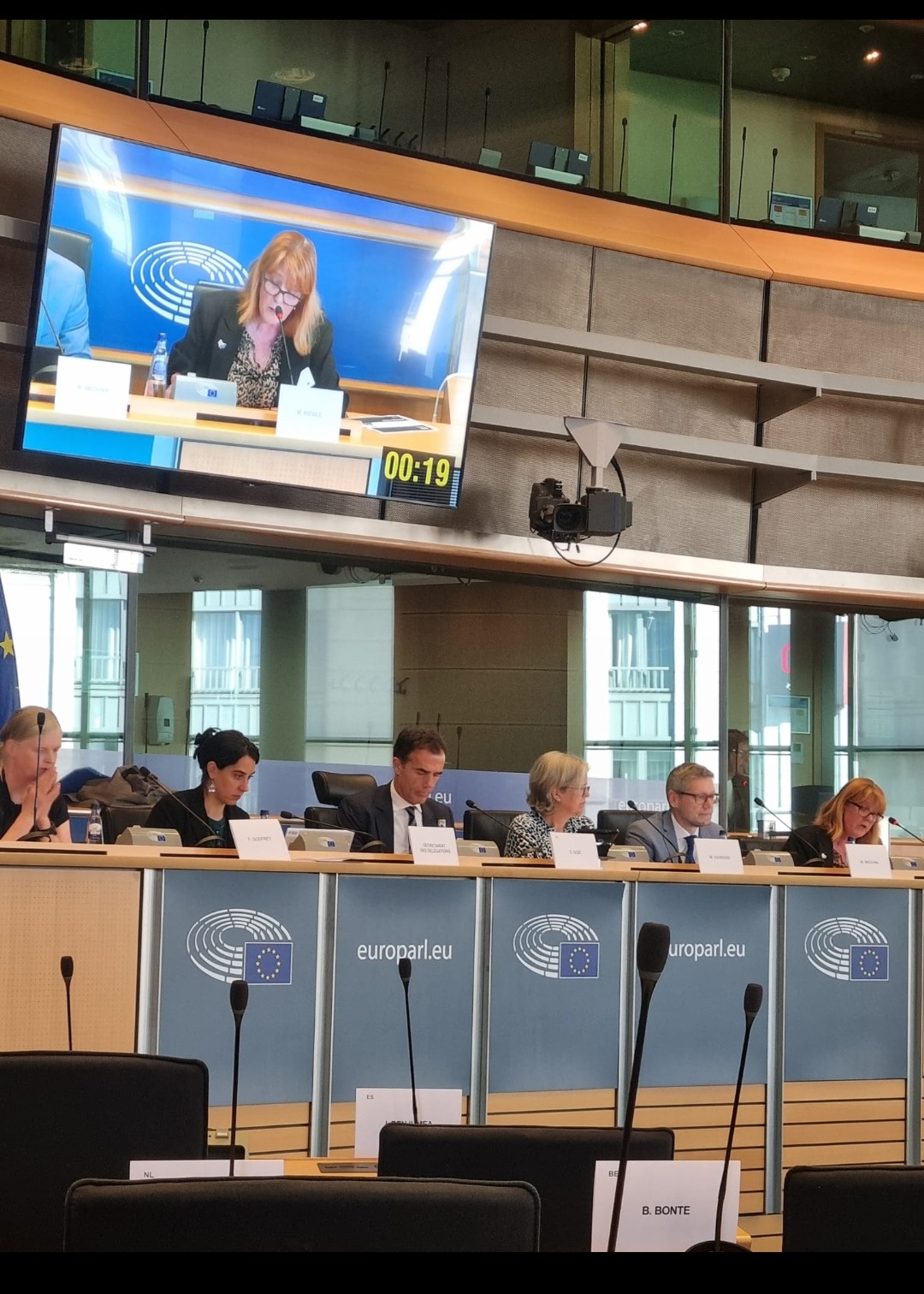
The Independent Monitoring Authority for the Citizens’ Rights Agreements (IMA) recently attended an event at the European Parliament in Brussels, where we provided an update on EU citizens’ rights post-Brexit to the Delegation to the EU–UK Parliamentary Partnership Assembly.
The purpose of the event was to foster an open exchange of views about the current status of citizens’ rights in the UK and across EU member states. Organised by the Delegation to the EU-UK Parliamentary Partnership Assembly and hosted by its chair, Sando Gozi, the meeting provided an opportunity to discuss citizens’ rights under the Withdrawal Agreements both here in the UK, and in member states.
Our CEO, Miranda Biddle, was joined on the podium by speakers from the European Commission, Brits in Europe, and the3million, bringing a broad range of perspectives on the challenges and successes of exercising citizens’ rights both in the UK and across EU member states. There was a general consensus that, while these rights are largely well protected, technical and practical barriers can still create difficulties for some individuals.
The UK Experience: Progress and Ongoing Challenges
Discussion soon turned to life in the UK. EU citizens make up roughly 8% of the UK population and hold around 7% of paid roles, with a notably high employment rate among adult EU nationals. This highlights their vital economic and social contribution to life in the UK.
Five years after the launch of the EU Settlement Scheme (EUSS), 5.8 million people have been granted status. However, an estimated 1.4 million remain on pre-settled status, still awaiting confirmation of permanent residence.
The Government’s recent move to automatically upgrade some individuals to settled status marks a positive step forward, with around 87,000 upgrades recorded over the past year. However, we highlighted our ongoing risks, particularly for children and vulnerable individuals who may not benefit fully from these changes.
While the Home Office’s quarterly EUSS data provides an important mechanism for scrutiny, the IMA continues to call for more detailed breakdowns, including smaller age bands and richer demographic data, to better understand who is applying and who may be left out.
There is concern around non-applicants, particularly as overall application trends show a decline, despite a late uptick in 2025, alongside fluctuating levels of refusals and invalid applications.
We also shared concerns around Grant Funded Organisation (GFO) funding. It should be recognised that the UK Government have provided significant funding to support citizens in the first five years of the EUSS application system, but our own Complaints and stakeholder evidence continue to show that applications are becoming more complex, increasing the need for tailored support. We are seeing a rise in complaints, many reflecting layered complexity and deep anxiety about the future.
Looking Forward: Beyond Securing Status
The IMA stresses that obtaining status is just the first step. Children may encounter difficulties at key life milestones if adults don’t apply and make applications on their behalf.
Older people can encounter complexity when navigating pensions, benefits and healthcare; and recent changes to travel requirements — including eVisas, Electronic Travel Authorisations (ETAs), and rules affecting dual nationals are creating uncertainty.
The IMA will continue to test safeguards within decision-making processes, including those relating to absences from the UK and the retention of EUSS status. As cases become increasingly complex, sustained support for applicants will be essential to ensure that rights are not lost in practice.
The session served as a timely reminder of the ongoing commitment required to protect citizens’ rights and support individuals navigating complex changes. This is an ongoing journey, one that demands both vigilance and compassion as we move forward.
The IMA will continue to monitor, investigate and promote citizens’ rights, working to ensure that rights guaranteed in law are realised fully, fairly and consistently in practice.
You can watch the meeting here.